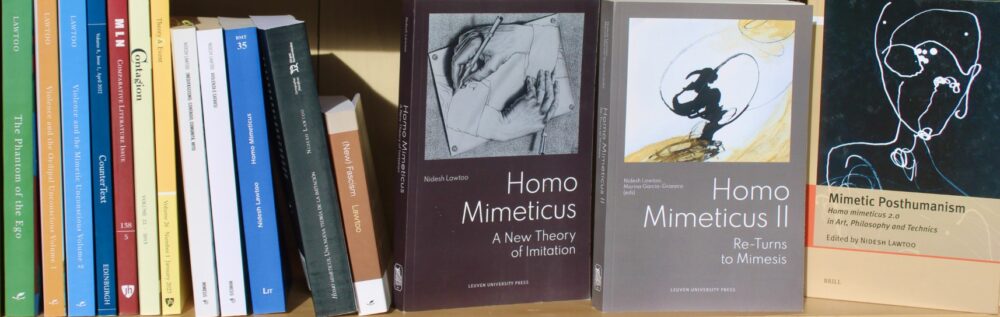
TEDx: A Mirror for the Future

Featured

TEDx KU Leuven
May 2022: (Re)Structure the (De)Structured

We have been taught the importance of originality, but can there be something original without a model that paves the way? In this talk, Nidesh Lawtoo, concludes the ERC project Homo Mimeticus , not so much by painting, but rather, telling the story of a single, marginalized, mimetic protagonist that has been relegated to the backstage of academic discussions in the past, yet deserves to be brought on the TED-stage to inspire the future.

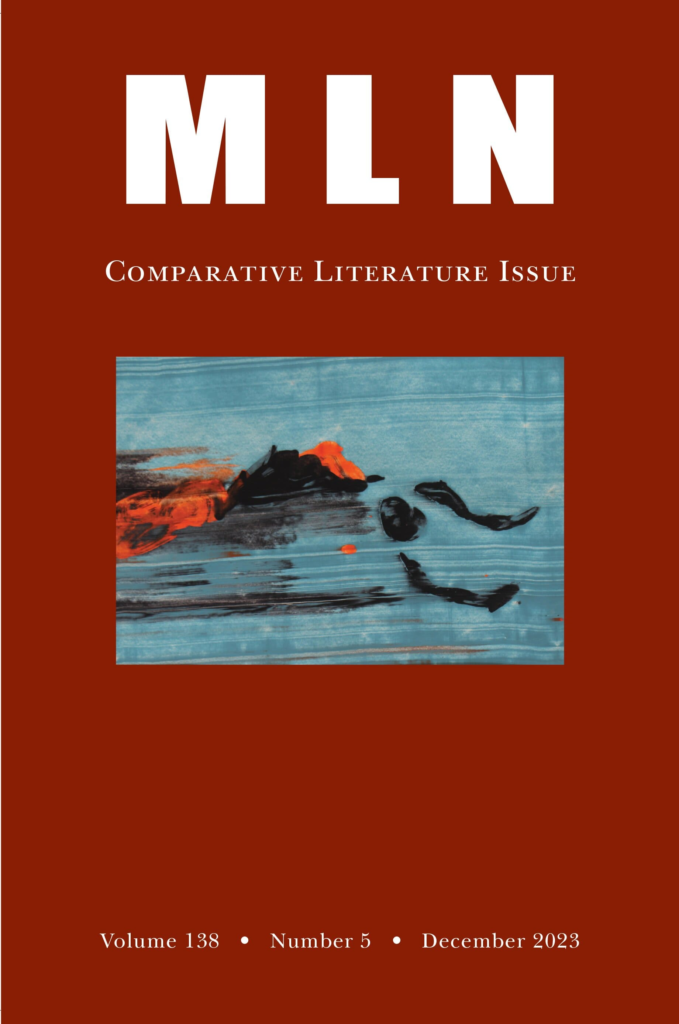
The Mimetic Turn, Special issue of MLN

In this special issue of Modern Language Notes (Johns Hopkins UP) edited by Nidesh Lawtoo, contributors join literary and philosophical perspectives to further the interdisciplinary field of mimetic studies. After the linguistic and the affective turn, the new materialist and the performative turn, the cognitive and the posthuman turn, the issue argues for a re-turn to the ancient, yet also modern and still contemporary realization that humans are mimetic creatures, or homo mimeticus. Essays on Plato, Nietzsche, Wilde, Benjamin, Adorno, Borges, as well as on contemporary film and fiction, give theoretical and aesthetic substance to this claim. More information and OA articles available HERE.
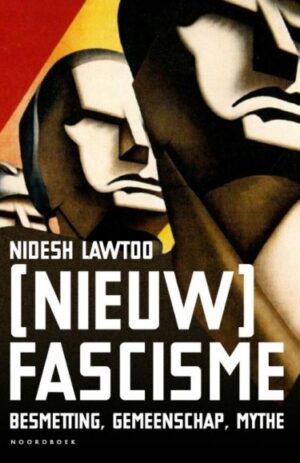
(Nieuw) Fascisme: Besmetting, gemeenschap, mythe

Kunnen we ons immuun maken voor het (nieuwe) fascisme (Noordboek 2024)? Nidesh Lawtoo betwijfelt het. Onze rationaliteit is simpelweg niet opgewassen tegen de besmettelijkheid van de mythe. Of we het nu willen of niet: we praten elkaar na (mimesis). En nieuwe media versterken de fascistische boodschap. Toch is er hoop. We kunnen ons bewust worden van ons mimetische gedrag. Als we onszelf doorzien, wordt het mogelijk om de mythe anders te framen en de angel eruit te trekken. Interviews in Trouw & Mare.

HOM Videos 10: Ancient Foundations for Mimetic Studies II

In this last episode of HOM Videos, Nidesh Lawtoo returns to the place where mimetic studies begun: the Great Theatre of Dionysus in Athens. It is in fact here that mimesis was not simply represented but, rather, performed by actors on mimes endowed with the capacity to generate a mimetic, dramatic, or Dionysian pathos in the audience as well.

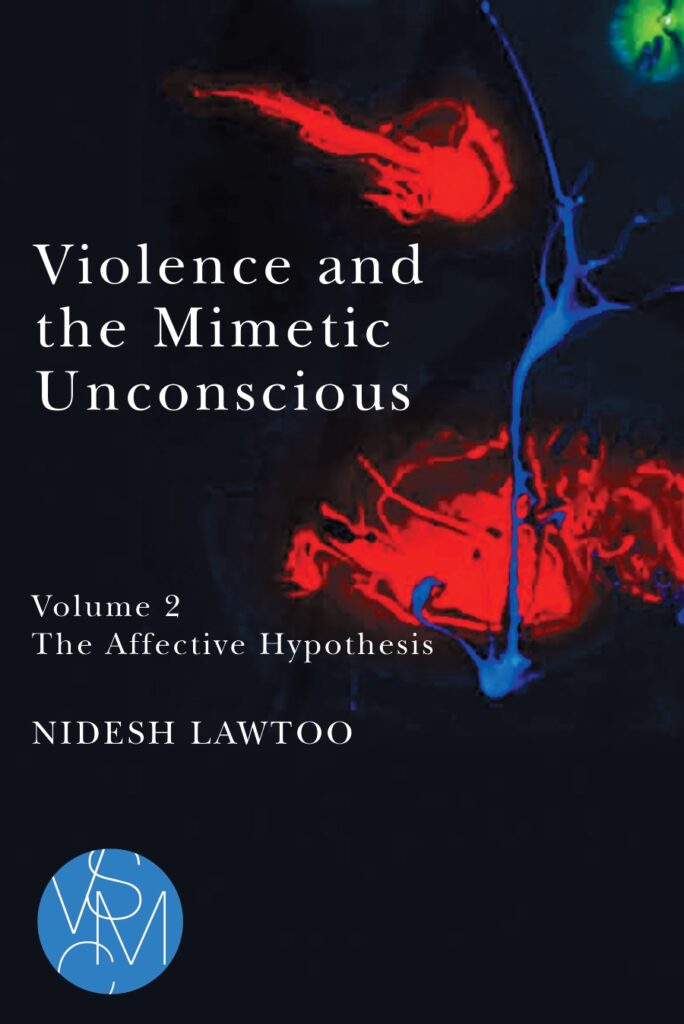
Violence and the Mimetic Unconscious: vol. 2 The Affective Hypothesis

Representations of violence have subliminal contagious effects, but what kind of unconscious captures this imperceptible affective dynamic in the digital age? In volume two of a Janus-faced diagnostic on violence and the unconscious, HOM PI Nidesh Lawtoo traces a genealogy of a long-neglected, embodied, relational, and highly mimetic unconscious central to the problematic of (new) media violence. Now OUT with MSU P!

HOM Videos ep.9, The Neuroscience of Mimesis: Vittorio Gallese. II. Mirror Neurons Now & Then

In this second episode of HOM Videos on The Neuroscience of Mimesis, Vittorio Gallese discusses with Nidesh Lawtoo important precursors of the discovery of mirror neurons in aesthetics, phenomenology and the tradition of the mimetic unconscious: from Nietzsche to Lipps, Merleau-Ponty to Aby Warburg, Charles Féré to Pierre Janet, a number of fin-de-siecle philosophical physicians were sensitive to the mirroring relation between movement and sensation later confirmed by the discovery of mirror neurons.

HOM Videos 9, The Neuroscience of Mimesis: Vittorio Gallese. I History of a Discovery

As HOM Videos moves toward a conclusion, Nidesh Lawtoo travels to Parma, Italy, to interview neuroscientist Vittorio Gallese who, along with Giacomo Rizzolatti and his team, discovered mirror neurons in the early 1990s. In the first of four episodes on a major contribution to the mimetic turn, Gallese retells the history of the discovery of mirror neurons in nonhuman and human primates, discusses what more is known about mirroring mechanisms 30 years later, and begins to lay out the theoretical implications of embodied simulation for the transformations of homo mimeticus in the 21st century.